
Mastering the 3-Layer System: 5 Essential Cold-Weather Golf Layers for Fall 2026
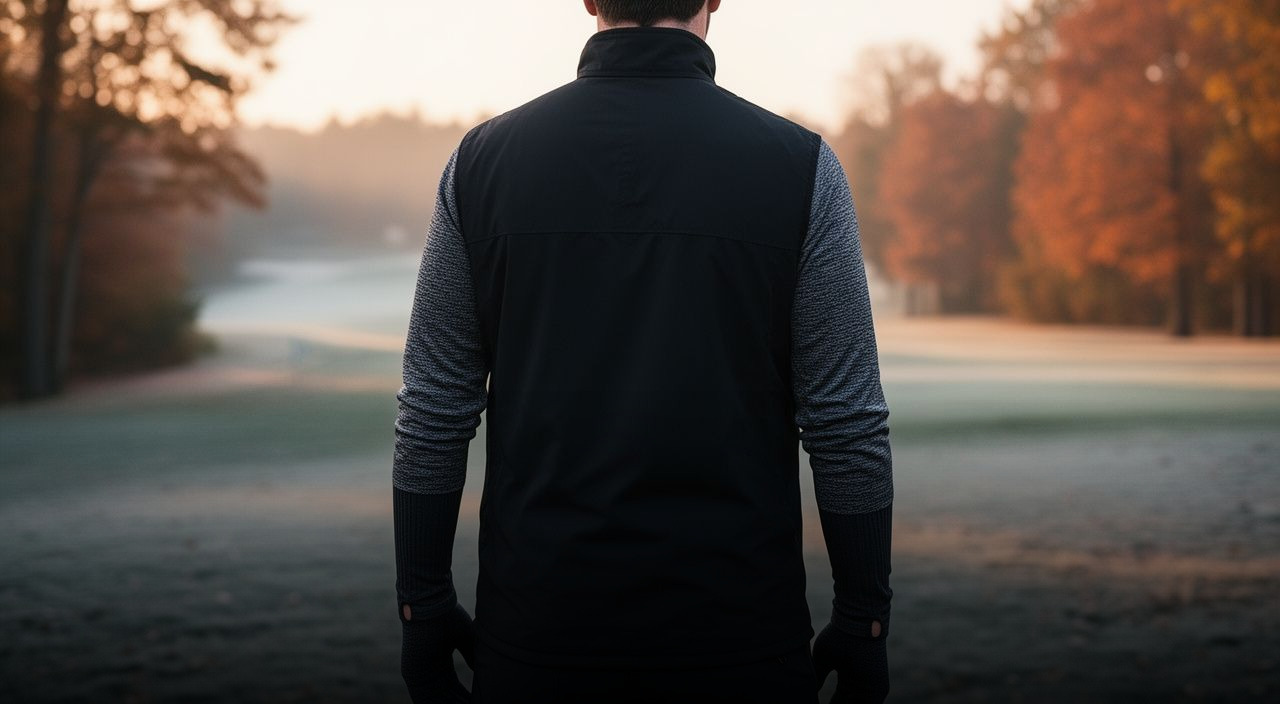
As October 2026 brings crisp morning tee times across the country, mastering cold-weather golf apparel is essential for maintaining swing speed and comfort. Proper layering prevents muscle stiffness and allows golfers to adapt to shifting temperatures from the first tee to the 18th green, ensuring that a chilly forecast does not compromise your scorecard.
How Does the 3-Layer Golf Clothing System Prevent Muscle Stiffness?
Cold temperatures cause muscles to tighten, which directly limits flexibility and reduces your range of motion on the course. According to MyGolfSpy, this physical restriction leads to a loss of power and shorter ball flight, making proper insulation critical for preserving your swing mechanics.
The solution lies in the 3-layer golf clothing system, which separates moisture management, insulation, and weather protection into distinct garments. As explorer Ran Fiennes noted, proper preparation is the ultimate defense against the elements.
"There’s no such thing as bad weather, just inappropriate clothing." — Ran Fiennes
By utilizing a moisture-wicking base layer, an insulating mid-layer, and a wind-resistant outer layer, golfers can shed unnecessary bulk while maintaining core warmth throughout the round.
Which Mid-Layer Quarter Zips and Windshirts Block Morning Chill?
When selecting a mid-layer, the adidas Originals 3-Stripe Men’s Golf Quarter Zip offers a performance build designed to layer easily over a standard polo on chilly mornings. Its traditional quarter-zip design allows you to regulate ventilation as the day warms up, while the retro aesthetic transitions seamlessly to the clubhouse.
For gusty and damp conditions, the FootJoy Zephyr Long Sleeve Quarter Zip Windshirt provides dedicated wind protection. It features:
- A water-repellent finish to shrug off light mist
- Raglan sleeves to keep your swing unrestricted
- Reach-through pockets to warm your hands between shots
Why Do Peter Millar and FootJoy Vests and Hoodies Maximize Swing Mobility?
As Donald Ross explains, "bulk is the enemy of a fluid swing", which is why tailored designs matter when temperatures drop. The Peter Millar Cradle Piqué Performance Men’s Golf Vest solves this by keeping your core warm while leaving your arms completely free. It utilizes a textured piqué knit with four-way stretch and a two-way zipper for customized comfort.
If you prefer maximum coziness without the stiffness of a traditional jacket, the FootJoy Textured Jacquard Men’s Golf Hoodie offers a pullover cut that stays out of the way during your follow-through. Its integrated hood provides immediate relief when the wind picks up between shots, making it an ideal choice for early morning frost delays.
How Does the Titleist Players Beanie Retain Critical Head Heat?
A standard ball cap offers zero insulation once the frost delay hits, making headwear a critical component of your cold-weather strategy. The Titleist Players Beanie utilizes a reversible acrylic-knit construction to trap heat effectively without adding pressure that could distract you during your setup.
From a practical standpoint, retaining head heat is not just about physical comfort; it directly impacts cognitive focus and fine motor control on the greens. While synthetic caps trap sweat in the summer, an acrylic-knit beanie in the fall maintains a stable microclimate around your ears and forehead, preventing the distraction of cold winds during critical putting strokes.
Over the course of 18 holes, ambient temperatures can shift by 20 degrees or more as the sun rises. PGA TOUR Superstore notes that cold temperatures can impact your performance by making you feel stiff and uncomfortable. By starting your round with a comprehensive layering system and strategically removing mid-layers like the adidas quarter zip or Peter Millar vest by the back nine, you maintain optimal body temperature and swing fluidity from the first drive to the final putt.


