How 3D-Printed Cobra 3DP Irons and Nippon Shaft Fitting Drove a Sub-1.0 Handicap in 2026
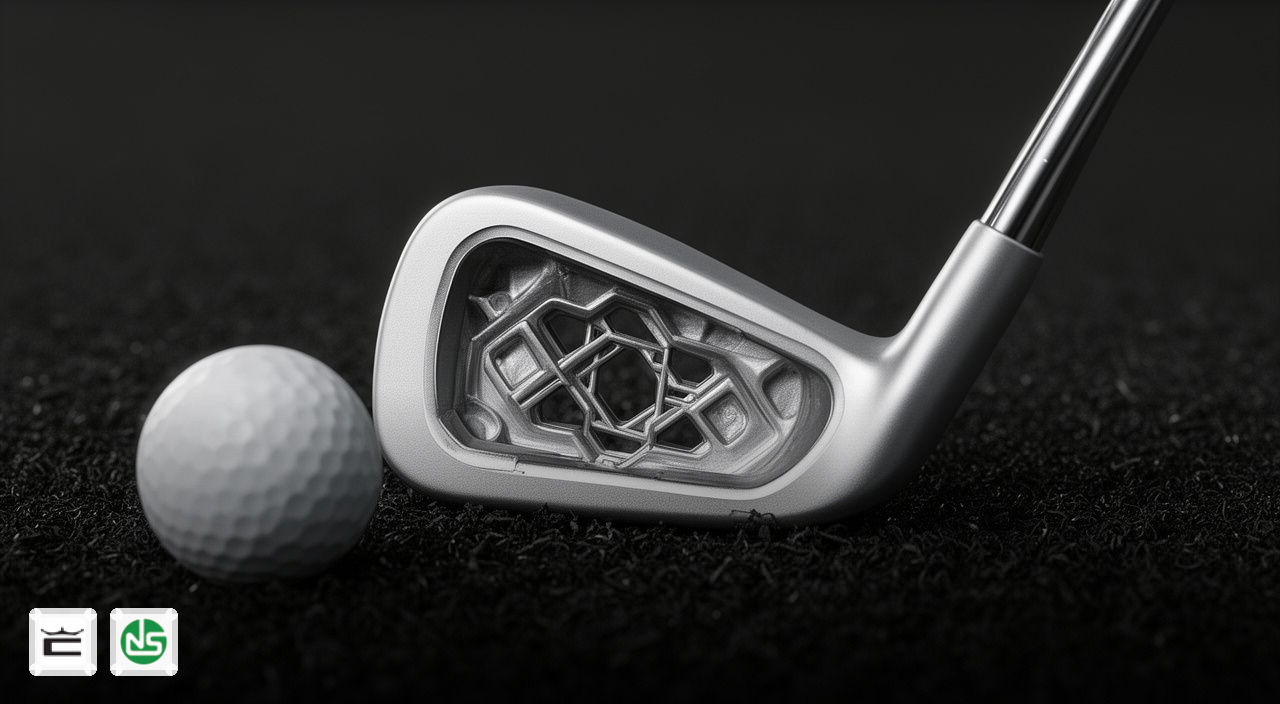
In 2026, a comprehensive equipment fitting featuring Cobra’s 3D-printed 3DP irons and Nippon N.S.Pro Modus3 Tour 120 X shafts helped an amateur competitor shoot two 71s, record an albatross, and qualify for the Pennsylvania Mid-Amateur while dropping their handicap index below 1.0. This performance highlights how modern manufacturing and precise shaft profiling can directly translate to lower scores for serious amateurs.
How Does Cobra’s 3D-Printed Lattice Change Iron Forgiveness?
The Cobra 3DP Tour and 3DP X irons utilize a manufacturing process where each clubhead is 3D printed using 2600 layers of 316 stainless steel powder fused together by powerful lasers. According to Cobra Golf, this proprietary internal lattice optimizes weight distribution to deliver more forgiveness than previously possible in a compact head size. For the amateur competitor, this high forgiveness of the 3DP platform combined with the shaft change to produce highly effective iron shots, including a first-ever albatross in June. The 3DP Tour model specifically targets better players who need a compact profile without sacrificing stability, achieving the highest moment of inertia blade Cobra has ever released. For golfers facing course setups over 5,500 yards, the 3DP X addresses the pressure of longer approaches by improving the average strike without reducing spin just for the sake of speed.
Why Did Switching to Nippon Modus3 Tour 120 X Shafts Eliminate the Left Miss?
The most significant gear change of the season was moving away from the stout Project X 6.5 shafts to the Nippon N.S.Pro Modus3 Tour 120 X. According to GolfWRX, the Modus3 Tour 120 features a "stiff tip with softer mid and butt sections", a construction that results in a lower, more penetrating flight. This slightly softer profile introduced an element of feel that helped the player drastically reduce their feared left miss. It also allowed for greater creativity, enabling the addition of a left-to-right ball flight that was previously unattainable with the stiffer shafts. As ExactGolf notes, players often prefer familiar brands and evaluate shafts subjectively, but objective testing reveals that stepping outside comfort zones can yield measurable performance gains.
What Role Did the Titleist GT1 4-Hybrid Play in the 2026 Bag?
Beyond the irons, the player found a reliable third tee club in the 20-degree Titleist GT1 4-hybrid, paired with a Fujikura Ventus Blue HB+ 9-X shaft. The oversized profile of the GT1 served as a compact 7-wood option, allowing the player to dig the ball out of the rough and hit high trajectories. Switching to the Ventus Blue HB+ shaft in both the GT1 and the Ping G440 hybrid solved a previous issue where heavier shafts caused spin to drop, ensuring the ball landed with proper control. This versatility proved critical during the Pennsylvania Mid-Amateur qualifier, where the player successfully got up and down on all five missed greens using their Vokey M-grind and WedgeWorks A+ grind wedges. The final 2026 WITB also included a TaylorMade Qi4D driver and a Ping Scottsdale TEC Ally Blue Onset putter, rounding out a bag built entirely on data-driven fitting.
What Does 3D-Printed Iron Technology Mean for Amateur Club Fitting?
The integration of 3D printing into iron manufacturing represents a structural shift for amateur club fitting. Historically, golfers had to choose between players’ irons that offered workability and game-improvement irons that provided forgiveness. According to Amateurgolf, the 3DP X model is designed to "bring super game-improvement forgiveness into a cleaner, more compact shape" that better players actually want to look down at. This means amateurs no longer have to sacrifice spin and launch angles just to achieve distance or forgiveness.
"But trying to combine the best parts of every category into one iron is where the Cobra 3dp is a unicorn." — Dada Golfs
For the everyday competitor, this technology ensures that custom fitting can yield a club that maximizes both scoring potential and aesthetic preference without compromise. As equipment parity increases across all major manufacturers, the ability to 3D print complex internal lattices allows fitters to dial in exact performance metrics, turning what used to be a trade-off into a standard feature for the modern golf bag.