Brooks Koepka Defends Rory McIlroy’s Silent Treatment of Bryson DeChambeau
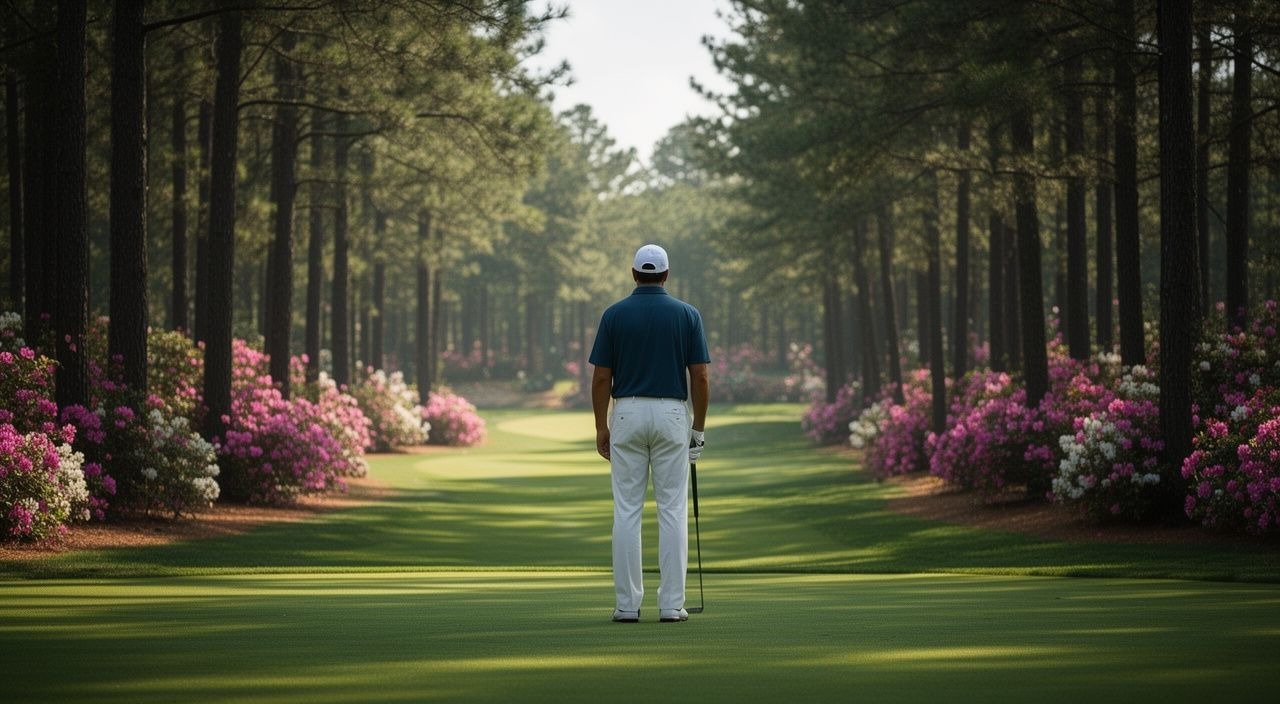
Brooks Koepka has reignited his past rivalry with Bryson DeChambeau by defending Rory McIlroy’s decision to ignore his playing partner during the final round of the 2025 Masters. Speaking on the Dan on Golf show this week, the five-time major winner stated that DeChambeau "lives in his own world" and validated McIlroy’s highly focused approach while chasing golf history at Augusta National.
What Brooks Koepka Said About the DeChambeau and McIlroy Incident
Koepka appeared on Skratch’s Dan on Golf to discuss DeChambeau’s post-round comments from last year’s major championship. When asked about the situation, Koepka did not mince words, stating that "he lives in his own world" and adding that he doubted many players wanted to converse with him anyway.
Koepka explained his own tournament etiquette, noting that he might exchange a few words at the first tee but quickly shifts into competition mode. He emphasized that players are simply doing their jobs when they prioritize their own performance over socializing, adding that if competitors do not talk, it is perfectly acceptable because they get to do what they want.
Why Rory McIlroy Gave Bryson DeChambeau the Silent Treatment
The controversy stems from the final round of the 2025 Masters, where McIlroy was paired with DeChambeau in the last group as he pursued the career Grand Slam. After securing the victory, DeChambeau told reporters that McIlroy "didn’t talk to me once all day".
The tension was visible on the course, particularly on the ninth green when DeChambeau suggested a tee flip to determine putting order, but McIlroy instead called a rules official to enforce the proper putting procedure. McIlroy made birdie on the hole while DeChambeau missed, a small but critical moment in the final round.
McIlroy later addressed the friction at the PGA Championship:
"I don’t know what he was expecting. We’re trying to win the Masters. I’m not going to try to be his best mate out there." — Rory McIlroy
The silence was not born of personal animosity, but of strategic necessity. Bob Rotella, McIlroy’s sports psychologist, clarified on BBC Radio 4 that the silent treatment was a deliberate gameplan designed to help McIlroy tune out external noise and focus entirely on securing his historic victory.
How the Koepka and DeChambeau Rivalry Developed
Koepka’s recent comments echo a highly publicized feud between the two Americans that dominated golf headlines from 2020 to 2021. The friction began when DeChambeau made comments about Koepka’s physique, which escalated into on-course trolling involving fire ant relief and eye-rolling during interviews, as detailed by Golf Digest.
The rivalry peaked at the 2021 Memorial when Koepka offered free beer to fans chanting "Brooksy" at DeChambeau. The public exchanges largely ceased after both players departed for LIV Golf in 2022, making Koepka’s recent remarks a notable return to their past dynamic.
What Amateur Golfers Can Learn From McIlroy’s Masters Focus
While tour-level rivalries make for compelling viewing, McIlroy’s approach at the 2025 Masters offers a vital lesson in course management and mental discipline for amateur competitors.
- Limit Competitive Conversation: In amateur tournaments or club championships, casual chat can break your pre-shot routine. Establish a boundary with your playing partners early in the round.
- Use the First Tee to First Putt Rule: Allow yourself to be social on the first tee box. Once you step onto the first fairway, shift your focus entirely to your strategy, yardages, and execution.
- Control What You Can Control: Just as McIlroy relied on Rotella’s psychological strategies to block out distractions, amateurs should focus solely on their own ball flight and decision-making rather than monitoring their opponents’ scores or behavior.
McIlroy’s ability to block out his playing partner and execute under the pressure of a career Grand Slam pursuit ultimately secured his place in golf history, proving that strategic silence is often the most effective competitive tool on the course.
Related articles