
The Longest Courses on the PGA Tour, Ranked by Yardage
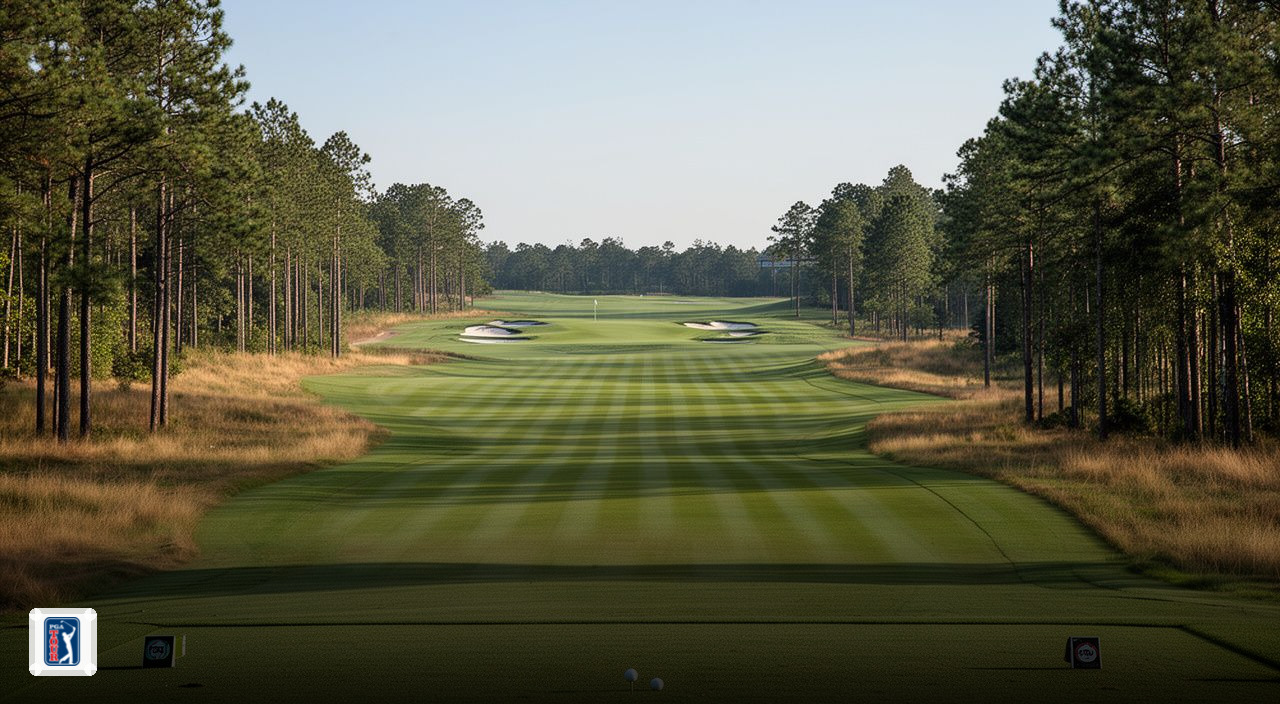
The longest course on the PGA Tour is Castle Pines Golf Club, which stretched to 8,130 yards for the BMW Championship, according to Golfweek. However, raw yardage only tells part of the story, as environmental factors and course architecture heavily influence the actual test. This guide breaks down the longest courses on the PGA Tour, explains how altitude and effective playing length alter the true difficulty, and provides actionable insights for golfers looking to understand course management.
What Are the Longest Courses on the PGA Tour?
To understand the modern professional game, we must look at the official yardages established in recent seasons. The following ranking is based on official yardages recorded during the 2024 PGA Tour season, which serves as the definitive baseline for current venue setups.
| Course | Yardage | Tournament |
|---|---|---|
| Castle Pines Golf Club | 8,130 | BMW Championship |
| Puntacana Resort & Club (Corales) | 7,765 | Corales Puntacana Championship |
| Torrey Pines Golf Course (South) | 7,765 yards | Farmers Insurance Open |
| Valhalla Golf Club | 7,609 | PGA Championship |
| Kapalua Resort (Plantation Course) | 7,596 | The Sentry |
| Pinehurst Resort (No. 2) | 7,588 | U.S. Open |
| Muirfield Village Golf Club | 7,571 | The Memorial Tournament |
| Quail Hollow Club | 7,558 | Wells Fargo Championship |
| Augusta National Golf Club | 7,555 | The Masters |
| Grand Reserve Country Club | 7,506 | Puerto Rico Open |
| East Lake Golf Club | 7,490 | Tour Championship |
| Tahoe Mountain Club (Old Greenwood) | 7,480 | Barracuda Championship |
| Bay Hill Club and Lodge | 7,466 | Arnold Palmer Invitational |
| The Country Club of Jackson | 7,461 | Sanderson Farms Championship |
| Vidanta Vallarta | 7,456 | Mexico Open |
This data reveals a clear trend in professional golf architecture. According to Golf Monthly’s analysis of the 2025 schedule, 43 of the 47 courses used on the modern PGA Tour calendar measure over 7,000 yards. The tour has consistently lengthened its setups to challenge the increasing driving distances of the world’s best players, turning traditional country clubs into formidable athletic tests.
How Does Altitude Change the Way a Course Plays?
When evaluating the longest courses on the PGA Tour, it is crucial to separate the number on the scorecard from the reality of the shot. Castle Pines Golf Club provides the most extreme example of this phenomenon. Despite its massive 8,130-yard footprint, the course plays significantly shorter than its raw numbers suggest due to its geographic location.
Castle Pines sits at an elevation of more than 6,000 feet in the Colorado hills. As Golfpass reports, "the thin air at that altitude adds roughly an extra 9-12% of distance on how far the ball flies on most full shots." This means a 200-yard carry at sea level might only require a 180-yard shot at Castle Pines. So a 500-yard par 4 plays more like a 450-yarder would at sea level, and par 5s that normally take three shots come within reach in two for the tour’s longest hitters.
This environmental reality is formally recognized in the rules of golf handicapping. The USGA defines Effective Playing Length as the measured length of a course adjusted by factors such as unusual roll, elevation changes, prevailing wind, and altitude above sea level. When rating a course, officials modify the yardage rating upward or downward based on these variables to arrive at an accurate difficulty assessment.
Why Raw Yardage Does Not Equal Playing Difficulty
If yardage were the only metric that mattered, every PGA Tour event would be held at the longest possible venue. In practice, course setup directors use a variety of architectural features to test players without simply adding more concrete to the tees.
Take Pinehurst Resort’s No. 2 course, which measures 7,588 yards. Its difficulty does not come from brute length, but from its famous turtleback greens and tightly mown collection areas. A player who misses the green in the wrong spot faces a delicate recovery shot, turning a manageable par into a frustrating bogey. Similarly, Torrey Pines Golf Course (South Course) measures 7,670 yards, but its true challenge lies in the dense coastal rough and the unpredictable ocean winds that can turn a 400-yard par 4 into a grueling three-shot hole.
The governing bodies are clear on this distinction. The USGA explicitly states that "par is not an accurate measure of the playing difficulty of a golf course." A shorter course with narrow fairways, deep bunkers, and complex green complexes will often yield a higher Course Rating and Slope Rating than a sprawling 7,500-yard layout with wide landing areas and flat greens.
What This Means for Amateur and Junior Golfers
Understanding how the PGA Tour measures its courses provides a vital lesson for recreational, amateur, and junior golfers: playing from the correct tees is essential for enjoyment and improvement.
According to Golf Monthly, the average course length for amateur golfers sits around 6,100 yards. Professional setups are typically 1,000 yards longer because tour players generate clubhead speeds and launch conditions that the average golfer cannot replicate. When amateurs insist on playing from the same "championship" tees as the professionals—often pushing the course beyond 7,000 yards—they compromise their strategy, ruin their pace of play, and damage their confidence.
To apply the USGA’s concept of Effective Playing Length to your own game, select your tee box based on your driver distance, not your 5-iron distance. If your driver carries 200 yards, playing from a 7,200-yard setup means you are facing long par 4s and unreachable par 5s on every hole. Moving up to a 6,200-yard set of tees transforms those same holes into strategic tests where you can reach greens in regulation and practice your short game. This adjustment aligns your course with your actual skill level, making the game more rewarding and helping you build a realistic handicap.
How the PGA Tour Measures Exact Playing Length
The yardages listed on the PGA Tour are not static numbers printed on a wooden scorecard. They are highly precise measurements updated daily to reflect the exact test the players will face.
To achieve this, the Tour utilizes the ShotLink system. As Golf Monthly explains, ShotLink accurately measures the playing length of each hole during a tournament. This technology counts for factors like pin and tee placement, ensuring that the recorded yardage reflects the exact distance from the front of the tee box to the hole location.
Because tournament directors move tee boxes forward or backward, and place pins on different sections of the green, the official yardage of a course can shift by 50 to 100 yards from Thursday to Sunday. This meticulous data collection allows the Tour to maintain a consistent level of difficulty throughout the week and provides fans and analysts with exact statistics on how course setups influence scoring.
Frequently asked questions
What are the longest courses on the PGA Tour?
The longest course on the PGA Tour is Castle Pines Golf Club, which was set to 8,130 yards for the BMW Championship. It is followed by the Corales Golf Course at Puntacana Resort (7,765 yards) and the South Course at Torrey Pines (7,670 yards).
What is the longest golf course in the United States?
While Castle Pines is the longest host of a PGA Tour event, the longest golf courses in the U.S. exist outside the standard tour schedule. Golfpass notes that the Pines Course at The International in Massachusetts previously measured 8,325 yards, and RainDance National in Colorado currently holds the title for the longest track in the country, surpassing 8,000 yards.
How do course ratings differ from yardage?
Yardage is simply the physical distance from the tee to the hole. A Course Rating, calculated by the USGA, evaluates the playing difficulty of a course for a scratch golfer under normal conditions. It factors in yardage but also adjusts for obstacle factors like topography, fairway width, green target size, and the psychological impact of hazards, meaning a shorter course can easily have a higher difficulty rating than a longer one.
Reviewed by Shahid Anwer · Editorial standards


