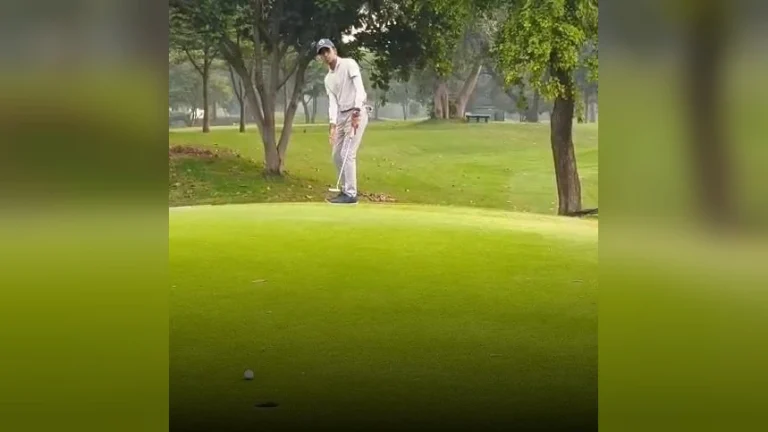
Why Do I Thin My Irons? The Root Causes and Proven Fixes
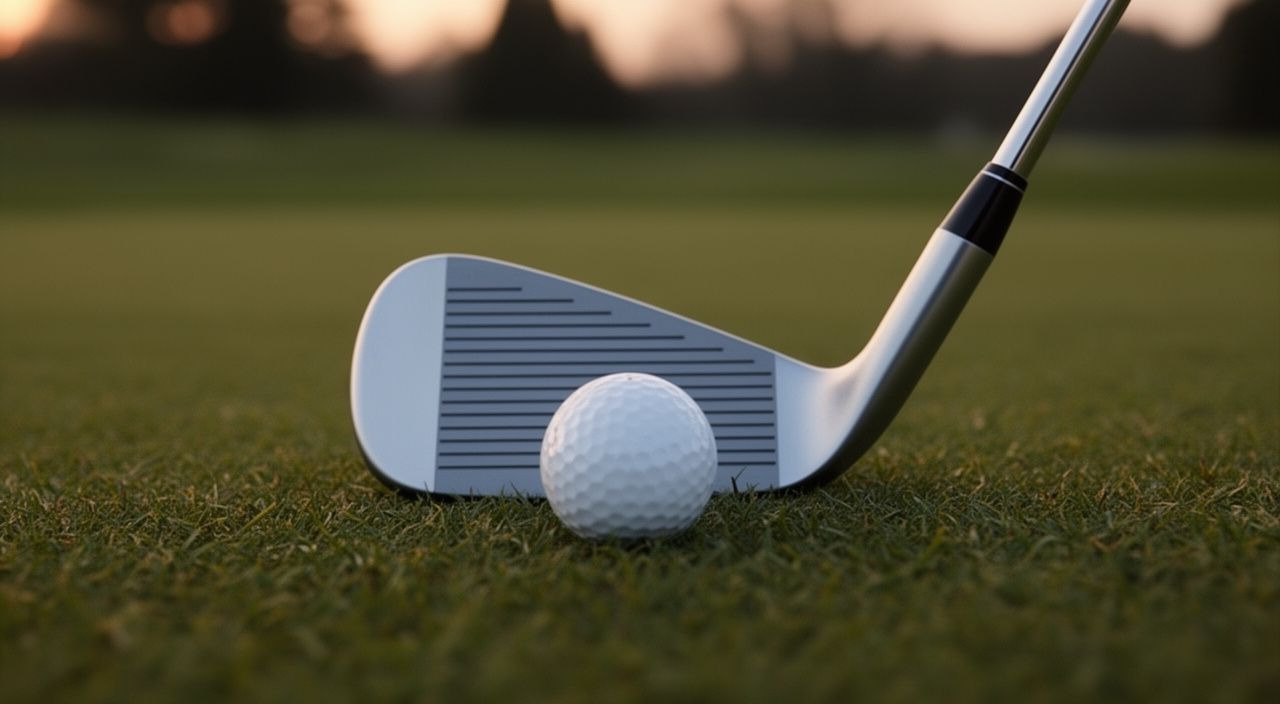
You thin your irons when the clubface strikes the ball above its equator, usually because your swing’s low point is in the wrong place or your posture rises during the downswing. This guide explains the mechanical causes of thin shots—such as improper weight distribution, early extension, and flawed ball position—and provides actionable drills to compress the ball consistently.
What Exactly Is a Thin Iron Shot?
A thin iron shot occurs when the leading edge of the club strikes the ball too high on its surface, resulting in a low, piercing trajectory that often falls short of the target. This mishit sends harsh vibrations through the shaft into your hands and produces unpredictable distance control.
According to Sports Pundit, "a thin shot in golf occurs when the club strikes the ball too high on its surface, resulting in a low trajectory and often leading to less distance than intended". The physical sensation is often uncomfortable, and the outcome on the course can be highly erratic, with the ball either dying quickly in the rough or sailing over the green depending on the lie.
To understand the thin shot, you must contrast it with a fat shot. A fat shot happens when the club contacts the ground before reaching the ball, digging into the turf and severely limiting distance. Both mishits indicate errors in swing mechanics, but they manifest differently. A thin shot is characterized by a swing arc that is simply too high at the moment of impact, catching the upper hemisphere of the golf ball rather than compressing it against the turf.
How Does Weight Distribution Cause Thinning?
AI illustration · Golf Daily RoundUp
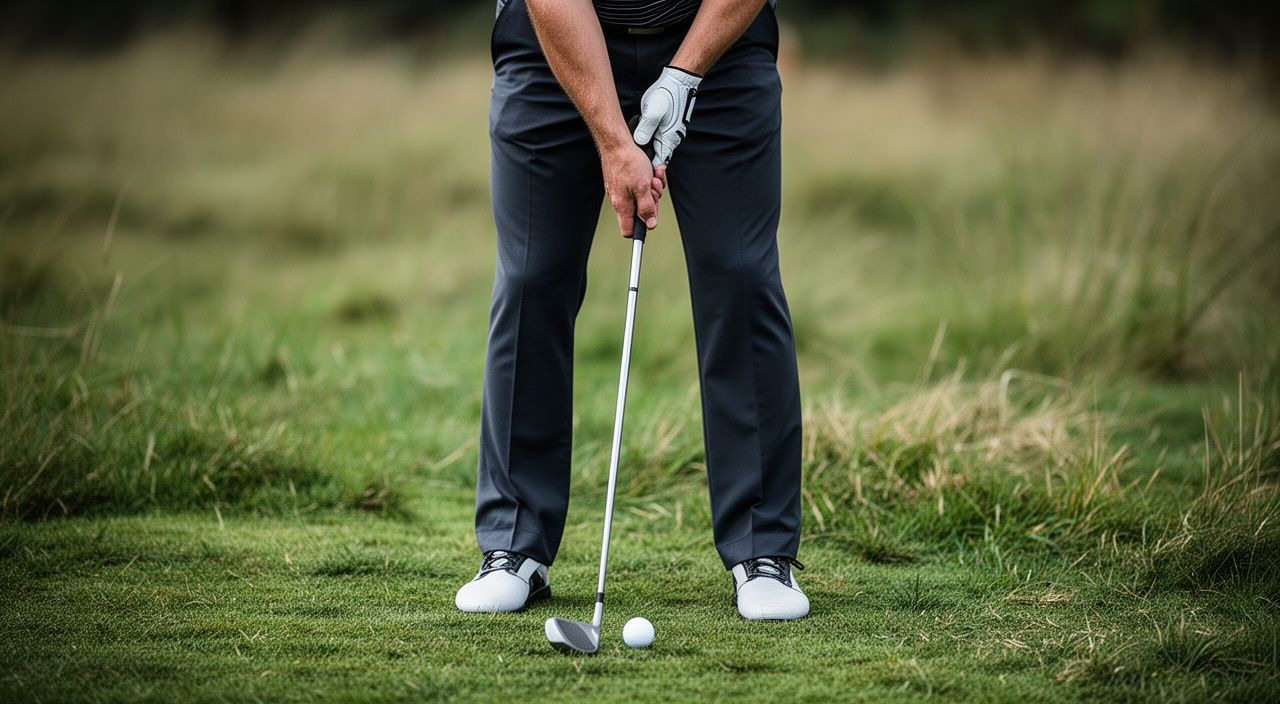
Hitting thin and fat shots stems from the same root cause: an incorrectly positioned swing low point. When your weight hangs back on your trail foot at address, the club bottoms out behind the ball, forcing you to lift your body and catch the ball thin on the upswing.
Many amateurs instinctively put their weight on their back foot, trying to help the ball into the air. However, irons are designed with loft; you do not need to scoop them. MyGolfSpy emphasizes that at address with an iron, you should have 60 percent of your weight on your front foot. This forward weight bias physically moves the lowest point of your swing arc in front of the golf ball.
When your weight favors the lead side, it encourages a descending strike. Shifting your weight slightly onto your front foot, and leaving it there, promotes this descending blow and takes away the instinct to lift the clubhead through impact. By keeping the pressure forward, the club naturally bottoms out after the ball, taking a divot in the correct location and ensuring clean contact.
Why Does Early Extension Make You Thin the Ball?
Early extension happens when your pelvis thrusts toward the ball during the downswing, causing your spine angle to change and your upper body to stand up. This upward movement raises the entire swing arc, causing the clubface to catch the top half of the golf ball instead of compressing it.
The common advice to "keep your head down" is a myth that restricts shoulder turn and creates tension. Rotary Swing explains that the true culprit behind thin shots is pushing off your trail foot and losing your posture. When you push off your dominant side, your pelvis moves forward, your spine angle changes, and your head rises, directly leading to a thin strike.
As GOLF Top 100 Teacher Dave Phillips explains on GOLF.com, early extension is when your pelvis moves toward the ball on the downswing, and the forward-and-back motion raises and lowers the handle, which makes your strike inconsistent. To rectify early extension, you must engage your lead oblique and lead hip to pull yourself through the swing. This engagement keeps the pelvis back, maintains your original spine angle, and allows for a full, unrestricted follow-through.
What Role Does Ball Position and Posture Play?
AI illustration · Golf Daily RoundUp
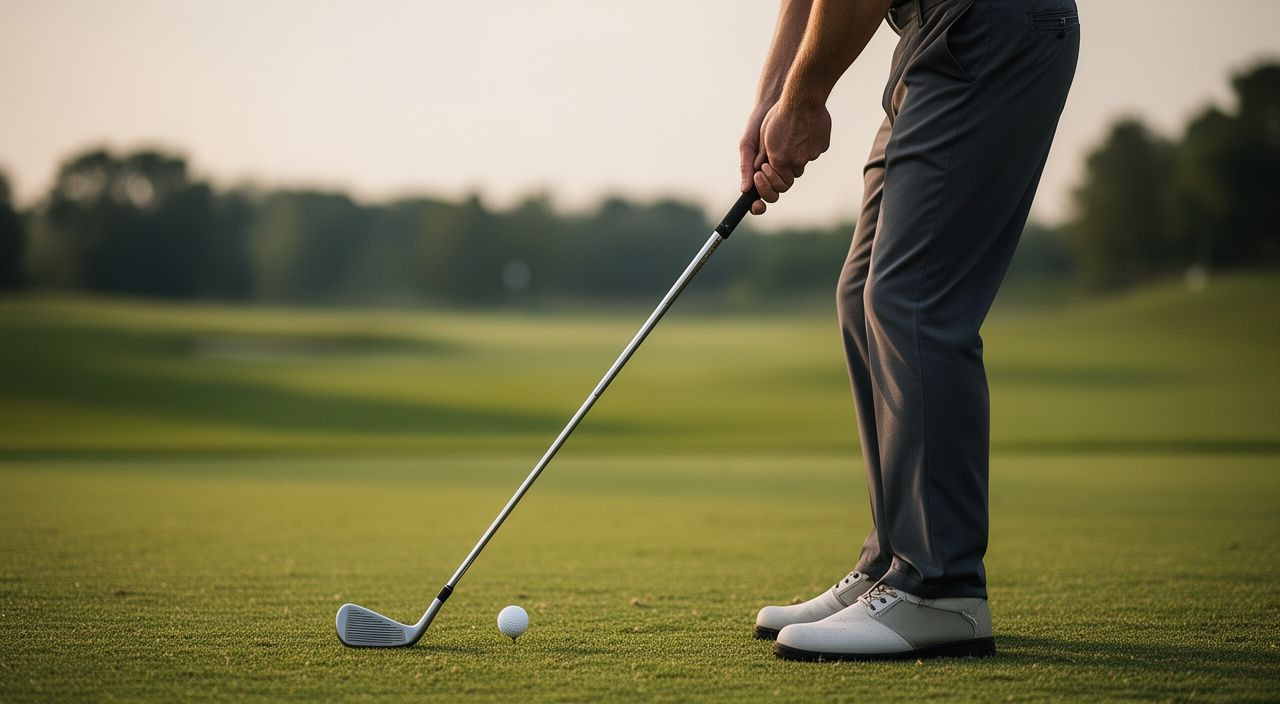
Placing the ball too far forward in your stance causes the club to bottom out before reaching the ball, while poor initial posture makes it impossible to maintain a consistent spine angle. A centered ball position combined with an athletic, tilted setup ensures the clubhead arrives at the bottom of the arc exactly at impact.
If the ball is positioned too far forward, you will catch it fat because the swing has already bottomed out. Conversely, if you lack proper posture, your body will compensate during the swing, leading to inconsistent low points. Women’s Golf advises players to “place the ball in the center of your stance” for most standard iron shots to ensure proper contact.
Initial posture sets the foundation for the entire swing. Golf Monthly recommends that at address, you push your pelvis back, as if you are pressing your backside up against a wall. This creates the necessary room for your arms to swing freely and helps you maintain the angle of your pelvis through impact, which is an essential element of consistent ball-striking.
Why Do I Thin My Irons But Hit Wedges Fat?
Thinning irons while hitting wedges fat usually happens because a golfer makes two fundamentally different swings based on the club in hand. Players often treat wedges as touch shots with a slow, guided motion, while treating mid-irons as distance clubs with an aggressive, arms-heavy swing that disrupts body rotation.
"When your chest and lower body stop turning, your hands and arms continue swinging. The clubhead can pass your hands too early and hit the ground behind the ball." — MyGolfSpy (4)
When you treat a wedge as a touch shot, your body stops rotating, and your hands flip the club into the ground, resulting in a fat shot. Conversely, when you treat a mid-iron as a distance club, you swing aggressively, often hanging back on your trail foot and thinning the ball.
The solution is to unify your swing intentions. You must feel like your arms, chest, and body continue moving together as one connected unit, regardless of the club in your hand. A smaller wedge swing still requires continuous body movement to ensure the clubhead does not pass the hands too early.
What Drills Eliminate Thin Iron Shots?
AI illustration · Golf Daily RoundUp
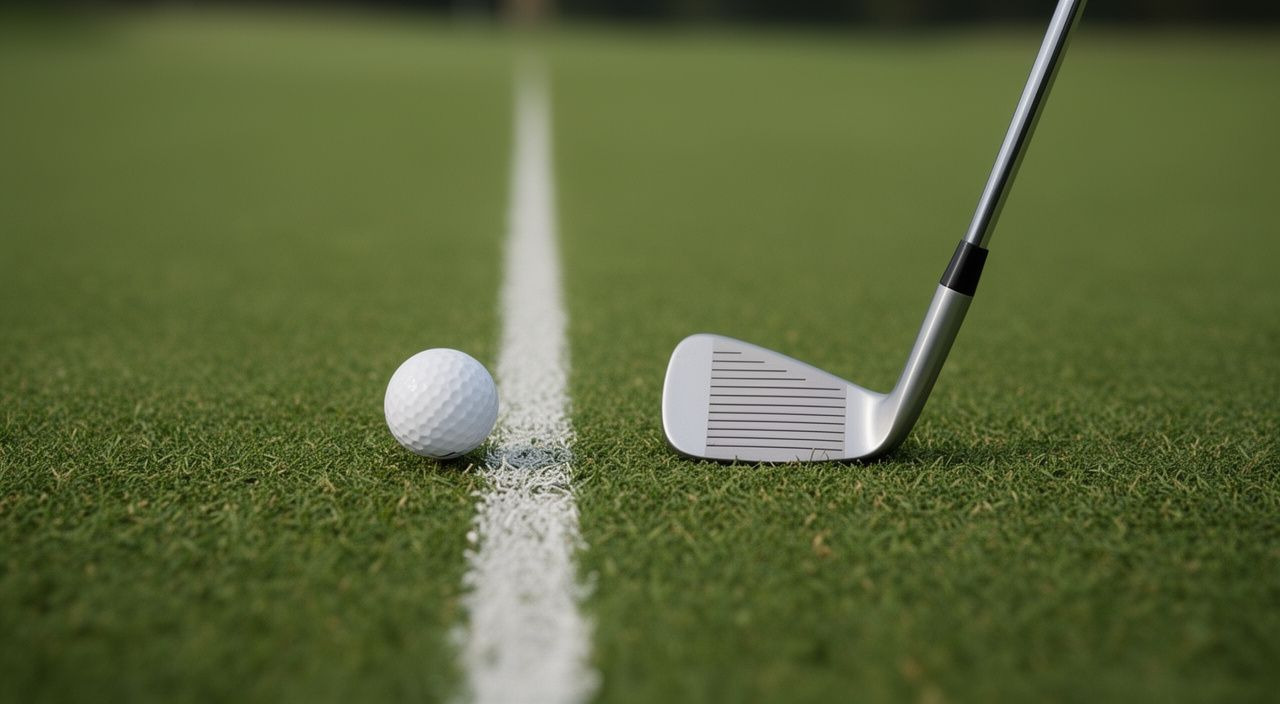
Effective drills for thin shots focus on shifting the low point forward, maintaining spine angle, and training a descending strike. By using physical feedback like lines on the grass or barriers in front of the ball, you can reprogram your impact conditions and stop instinctively lifting the clubhead.
The Pinch Drill
Titleist instructor Mark Blackburn advises players to "envision pinching the ball under his foot" rather than scooping it. Place your lead foot just in front of the ball as a barrier. Focus on turning your trail shoulder down and toward the ball so that your chest feels like it is covering the shot. This encourages the club shaft to lean forward during the strike.
The Line Drill
Golf.com recommends using foot spray or the sharp end of a tee to “draw a line on the practice range grass”. Set your ball directly on the line and address it with the center of your chest open, pointed slightly in front of the ball. Your sole objective is to make a divot in front of the line. This visual feedback instantly corrects a low point that is too far back.
The Alignment Stick Drill
To stop early extension, place an alignment stick in the ground just behind your trail hip, angled slightly away from you. During your downswing, if your pelvis thrusts forward, your trail side will bump the stick. This provides immediate physical feedback, training your lower body to clear laterally while maintaining your original spine angle.
How Does Consistent Iron Contact Impact Your Score?
Eliminating thin shots directly improves your strokes-gained approach play, which remains the most critical metric for lowering your overall golf handicap. Consistent ball striking maximizes distance control and proximity to the hole, transforming erratic iron play into a highly reliable scoring weapon for amateur competitors.
Strokes-gained pioneer Mark Broadie told the Chicago Golf Report that for a 20-handicapper, the number one area he would focus on is shots from about 150 yards, calling it the biggest bang for the buck for amateurs. When you thin the ball, you lose both carry distance and backspin, leaving long, difficult up-and-downs. By fixing your low point and compression, you stop giving away strokes on the greenside and start hitting more birdie putts.
Quick-Reference Setup Checklist for Pure Irons
- Weight Distribution: 60 percent of your weight on the lead foot at address.
- Ball Position: Centered in the stance for mid-irons; slightly forward for long irons.
- Posture: Pelvis pushed back, spine angle maintained throughout the swing.
- Swing Thought: Pinch the ball against the turf; never scoop it into the air.
- Impact Position: Chest covers the ball, shaft leans forward, hands ahead of the clubhead.
Frequently Asked Questions
How do I stop hitting my irons thin?
Stopping thin iron shots requires shifting 60 percent of your weight to your front foot at address, keeping the ball centered in your stance, and focusing on hitting down to take a divot. Maintaining a steady head and transferring weight to your lead side promotes a descending strike.
What causes thinning golf shots?
Thinning golf shots is primarily caused by a swing arc that is too high at impact, often resulting from hanging back on the trail foot, early extension, or attempting to scoop the ball into the air. Poor posture and a lack of forward weight shift also contribute significantly to this mishit.
Why am I hitting my irons thin and to the right?
Hitting thin shots to the right typically indicates an open clubface at impact combined with an out-to-in swing path or a failure to rotate the body through the shot. When the body stops turning, the hands flip the club open, resulting in a weak push or slice.
Related articles
- How to Break 90 in Golf: Strategy Changes That Save Strokes Without a New Swing
- How to Recover from a Bad Hole in Golf: A Practical Guide to Mental Reset and Damage Control
- How to Build a Golf Pre Shot Routine That Holds Up Under Pressure
Reviewed by Shahid Anwer · Editorial standards