Understanding Golf Course Grass Types: The Complete Guide to Better Scoring
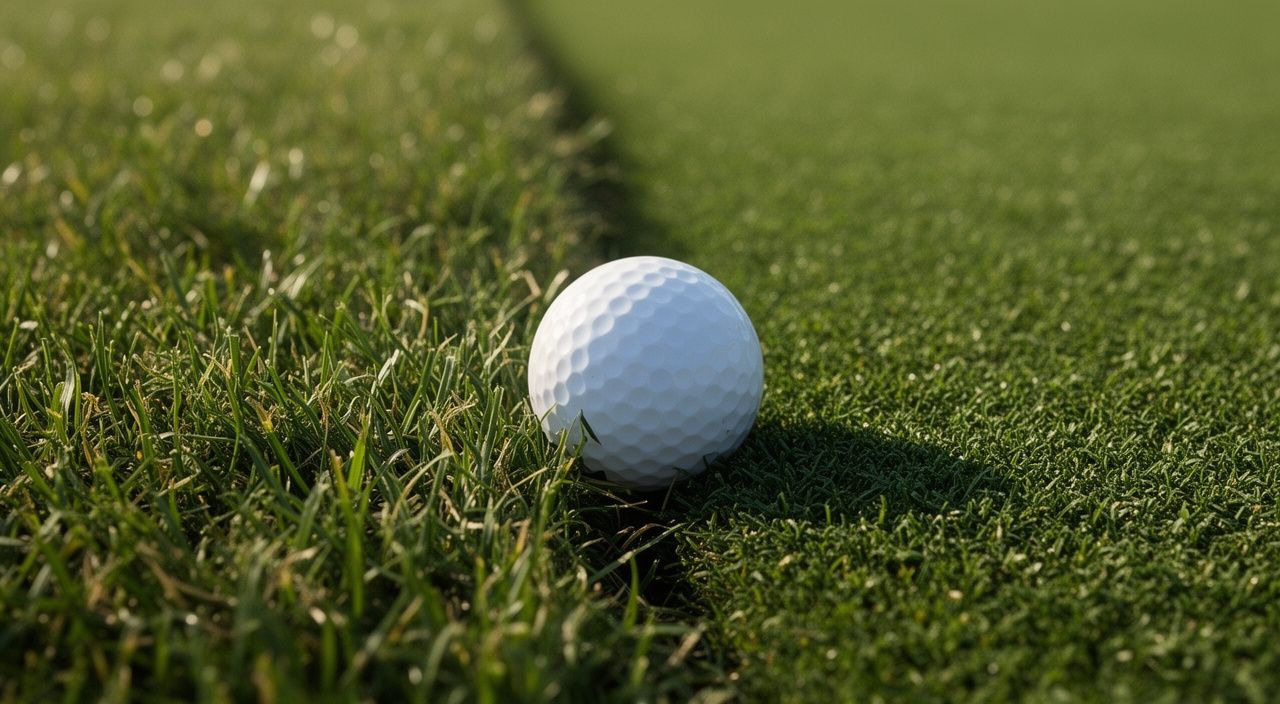
Golf course grass types dictate how the ball rolls, bounces, and reacts to your clubface, making turf identification a hidden key to lowering your scores. By understanding whether you are standing on warm-season Bermuda or cool-season bentgrass, you can adjust your chipping technique, read greens more accurately, and select the right clubs for every lie. This guide breaks down the primary grasses used on fairways, roughs, and greens, and provides practical adjustments for your next round.
How Turf Science Affects Your Ball Lie and Roll
The texture, density, and root structure of a golf course directly influence how the ball behaves from the moment it lands. “several components are essential to an ideal putting surface”, including resiliency, uniformity, smoothness, and firmness. Resiliency determines how well the turf absorbs shock and holds a properly struck shot, while smoothness generates less friction for a truer ball roll.
When a green has too much thatch—the layer of dead organic matter between the soil and the living grass—it can severely “detrimental to putting green speed and smoothness”. Superintendents carefully manage these biological systems to maintain consistent playing conditions. As experts note, "Nothing is more discouraging than playing a round of golf on putting greens of variable speed." Understanding the specific grass species beneath your feet helps you anticipate these variations and adapt your strategy accordingly.
What Are the Main Warm-Season Grasses on Golf Courses?

AI illustration · Golf Daily RoundUp
Warm-season grasses thrive in hot climates and are the backbone of golf courses in the southern United States. They are prized for their drought tolerance and ability to recover quickly from heavy foot and cart traffic.
Bermudagrass
Bermudagrass is a durable, heat-loving turf that spreads rapidly through above-ground stolons and underground rhizomes. Hybrid varieties like Tifway 419 are widely recommended for high-traffic areas because their fine blades form a compact, fast-recovering surface. TPC Sawgrass specifically prefers Bermudagrass for its ability to be mown low and provide fast greens.
When maintained at Tour standards, "When tightly mown, Bermuda provides a beautifully firm, fast and true surface," notes golf course superintendent Shawn Westacott. However, as the grass grows longer, it develops a distinct "grain"—the direction the blades naturally lean. This grain can “bend a putt’s break by up to roughly 30%”. In the rough, Bermuda’s wiry texture causes the ball to sit down and can snag clubfaces during chip shots.
Zoysiagrass
Zoysiagrass is a resilient all-weather performer that handles temperature swings exceptionally well. It grows super dense, creating a tight canopy. Because of this density, the ball tends to sit up nicely on Zoysia fairways, offering clean strikes and making it an excellent surface for fairway woods and hybrid shots.
Paspalum
For coastal courses where ocean spray would destroy other turf, Paspalum is the salt-tolerant solution. It provides a playing surface similar to Bermuda but thrives in harsh, saline environments where traditional grasses would surrender.
Which Cool-Season Grasses Dominate Northern and Coastal Courses?
AI illustration · Golf Daily RoundUp
Cool-season grasses are prevalent in the northern United States, transition zones, and specific coastal regions. They excel in moderate temperatures and provide the smooth, true surfaces preferred for precision putting.
Bentgrass
Bentgrass is the cool-season favorite for premium putting greens. Unlike Bermuda, bentgrass grows vertically and does not develop a pronounced grain. This allows it to read truer, with less grain, making it ideal for precision putting. It thrives in the northern U.S. And provides a beautifully smooth, consistent roll, especially in dry conditions.
Poa Annua
Annual bluegrass, or Poa annua, is a controversial but ubiquitous West Coast staple. It is highly maintenance-intensive and prone to producing seedheads. According to turf management research, Poa annua seedhead production results in reduced putting speed and consistency. Superintendents often use plant growth regulators to suppress these seedheads, but golfers frequently encounter bumpy afternoon putts as the grass flushes and grows unevenly throughout the day.
Perennial Ryegrass and Fescue
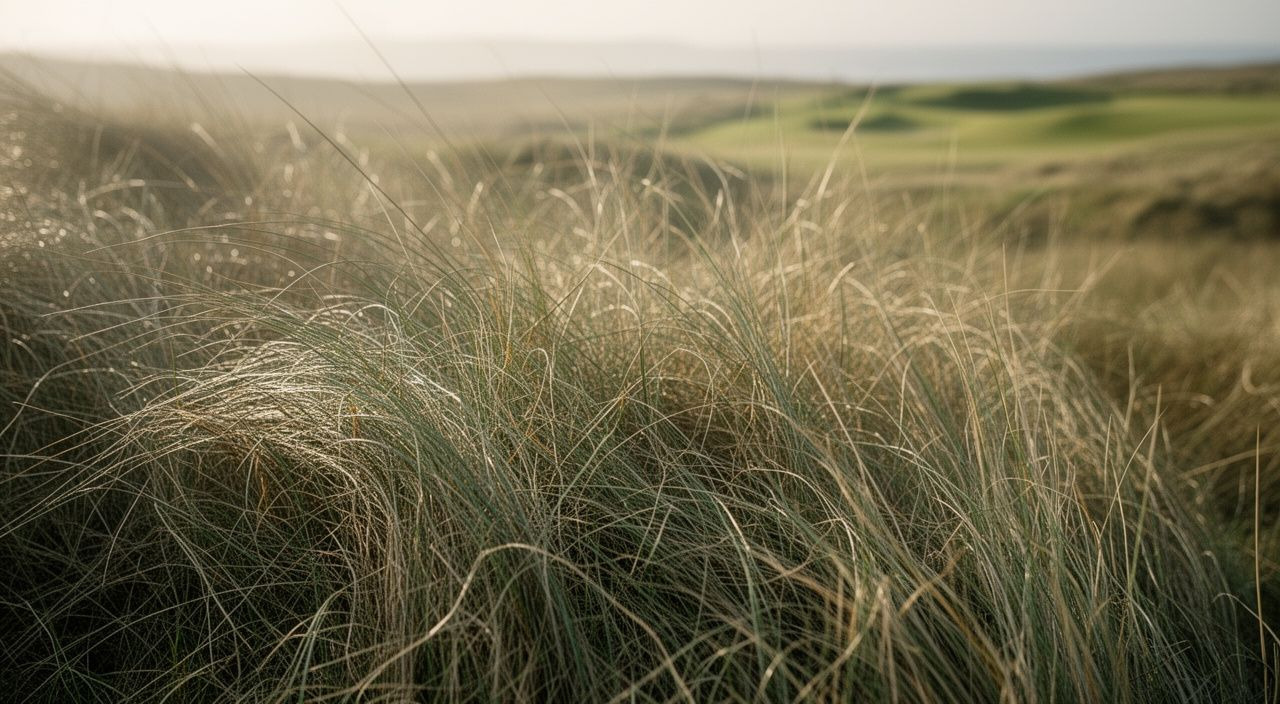
Perennial ryegrass is a fast-growing cool-season grass commonly used for winter overseeding. It provides a lush, thick lie that can slow the clubhead through impact, requiring golfers to use wedges with a sharper leading edge. Fescue, often seen in links-style courses, is a fine-bladed, cool-season grass. In the rough, it becomes gnarly and unpredictable, demanding creative escape shots and an open clubface to advance the ball.
"It’s a heat-tolerance tradeoff, not a quality difference." — Echelon Apparel
This principle applies to choosing between northern bentgrass and southern Bermuda; neither is inherently superior, but each is perfectly adapted to its specific climate.
How to Adjust Your Short Game for Different Turf Types
AI illustration · Golf Daily RoundUp
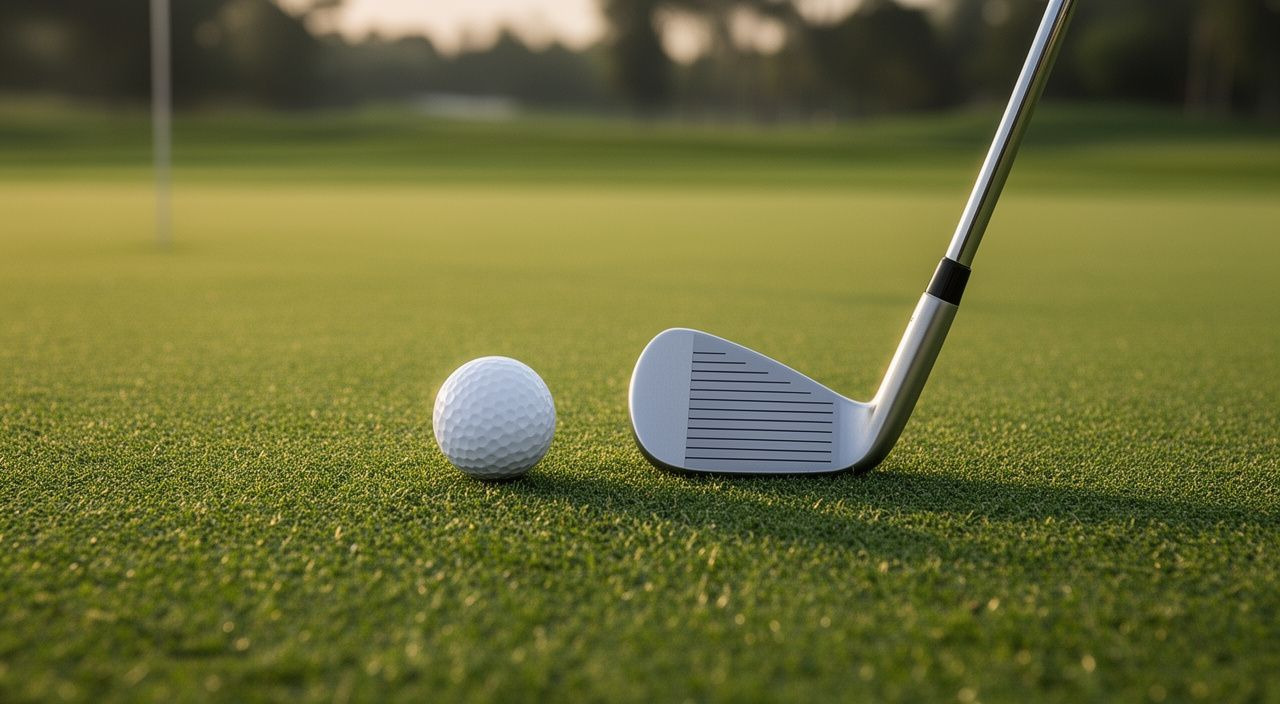
Recognizing the grass type allows you to make immediate, practical adjustments to your short game, saving strokes around the green.
- Reading Grain on Bermuda Greens: To read the grain on Bermuda, look closely at the surface. If the grass looks shiny, you are putting with the grain, and the ball will roll faster and break more. If the turf has a duller tone, the grain is running against you, slowing the ball and reducing the break.
- Selecting Wedge Bounce: On spongy, thick lies like ryegrass or fescue rough, use a wedge with less bounce to prevent the leading edge from bouncing into the ball. Conversely, on wiry Bermuda rough, a wedge with more bounce and a wider sole helps the club glide through the grass without snagging.
- Chipping on Tight Lies: On tight, firm lies like bentgrass or zoysia, a bump-and-run shot with a lower-lofted iron is highly effective. For sticky, grainy Bermuda rough around the green, take a steeper angle of attack, open the clubface slightly, and commit to a confident strike to pop the ball out of the grain.
- Putting on Poa Annua: Because Poa annua greens become bumpy as seedheads develop in the afternoon, focus on hitting your short putts with firm, aggressive speed. A softer stroke is more likely to be knocked off line by the uneven surface.
Quick-Reference Guide to Golf Course Grasses
Use this synthesized comparison to quickly identify the turf you are playing and its primary characteristics.
| Grass Type | Climate | Common Use | Key Play Impact |
|---|---|---|---|
| Bermudagrass | Warm, Southern U.S. | Fairways, Rough, Greens | Develops grain affecting putt break; wiry in rough; firm and fast when mown low. |
| Bentgrass | Cool, Northern U.S. | Premium Putting Greens | Reads truer with minimal grain; provides a smooth, consistent roll. |
| Zoysiagrass | Warm, Transitional | Fairways, Tees | Grows super dense; ball sits up cleanly, ideal for fairway metals. |
| Poa Annua | Temperate, Coastal | Greens (especially West Coast) | High maintenance; seedheads cause bumpy, inconsistent afternoon putts. |
| Perennial Ryegrass | Cool-Season | Overseeding Fairways | Lush and thick lie; can slow clubhead through impact. |
| Fescue | Cool, Coastal Links | Rough | Gnarly and unpredictable; requires open clubface and creative escapes. |
| Paspalum | Warm, Coastal | Fairways, Greens | Highly salt-tolerant; plays similarly to Bermuda in harsh coastal environments. |
Frequently asked questions
What type of grass do most golf courses use?
The most common grass depends entirely on the local climate. Warm-season grasses like Bermudagrass dominate the southern United States due to their heat and drought tolerance, while cool-season grasses like bentgrass, ryegrass, and fescue are prevalent in the north and coastal regions.
What type of grass does TPC Sawgrass use?
TPC Sawgrass uses Bermudagrass across its course. This specific grass is chosen for its exceptional ability to be mown very low and provide fast, resilient greens that can withstand the heavy foot and cart traffic of a major PGA Tour event.
What type of grass is at Pebble Beach golf course?
While specific course maps vary by exact hole and microclimate, Poa annua is widely recognized as the controversial West Coast staple used on many coastal and California greens. It is the dominant grass type found on the Monterey Peninsula, though superintendents constantly manage its seedheads to maintain smooth putting surfaces.
What type of grass is best for golf greens?
There is no single "best" grass, as it is a climate-fit tradeoff rather than a strict quality difference. Bentgrass is the cool-season favorite for premium, true-rolling putting greens in the north, while ultradwarf Bermudagrass is the heat-tolerant champion for southern courses. The best choice is simply the one that thrives in your specific regional environment.
Reviewed by Shahid Anwer · Editorial standards